
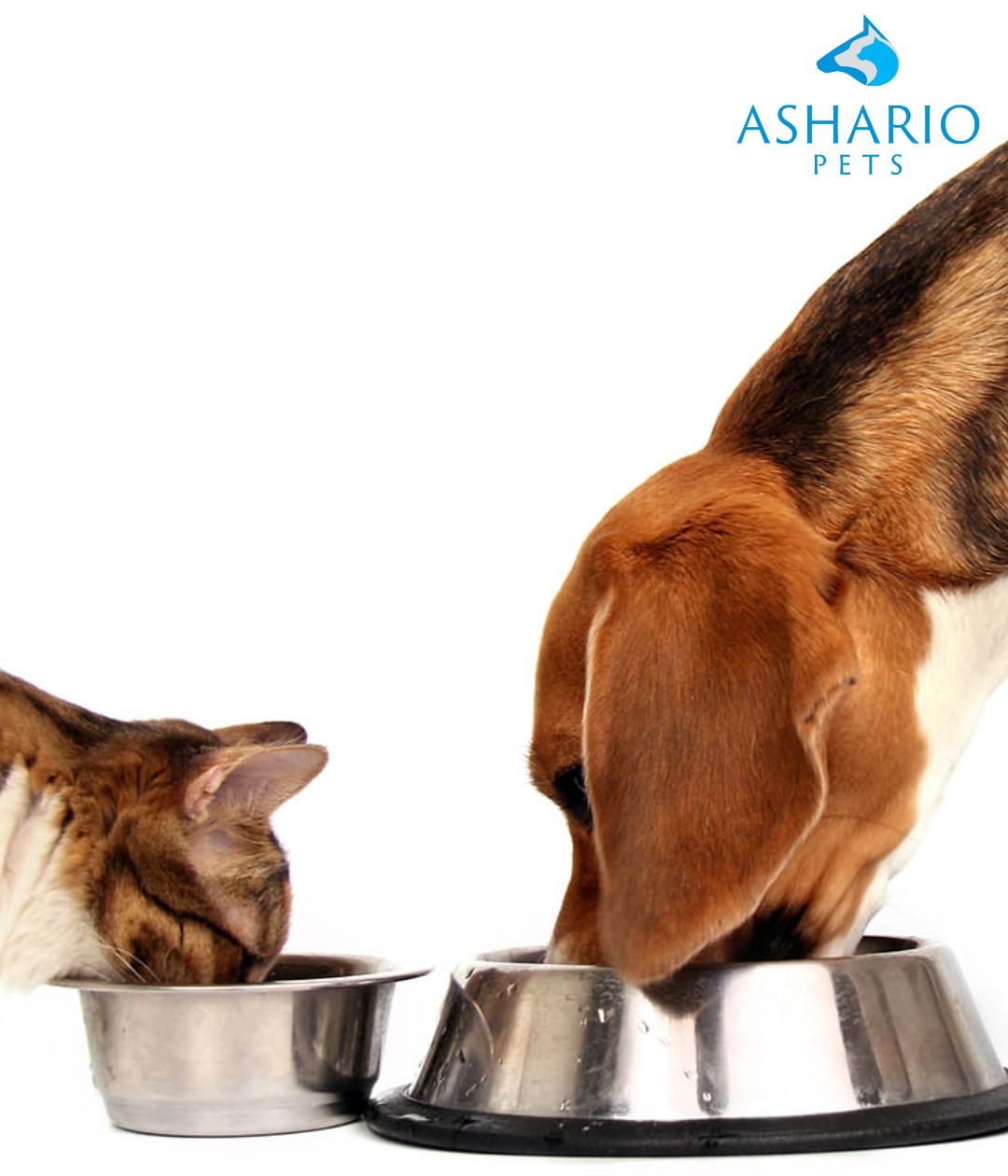
Dog Food vs. Cat Food: Understanding the Differences
When it comes to pet nutrition, understanding the differences between dog food and cat food is essential for providing our furry companions with the best possible diet. While both types of food are formulated to meet the nutritional needs of our pets, there are significant distinctions that pet owners should be aware of. Let's explore what sets dog food apart from cat food and why it matters for the health and well-being of our beloved pets.
Nutrient Profiles and Sources of Protein
One of the primary differences between dog food and cat food lies in their nutrient profiles and sources of protein. Dogs are omnivores, meaning they can derive nutrition from both plant and animal sources. As such, dog food typically contains a balance of animal proteins and plant-based ingredients. On the other hand, cats are obligate carnivores, meaning they require a diet high in animal proteins to meet their nutritional needs. Cat food is formulated to provide a higher proportion of animal proteins to support their unique dietary requirements.
Fats and Fatty Acids
Both dog food and cat food contain healthy fats that provide essential nutrients and health benefits. However, the types of fats used in each type of food may differ. Dog food often contains unsaturated fats such as those found in vegetable oils and dairy products like yogurt or cheese. Cat food, on the other hand, may include unsaturated fats along with sources of arachidonic acid, a fatty acid that is essential for cats' health. Additionally, cat food may contain higher levels of animal fats to meet the specific needs of cats.
Vitamins and Minerals
Another key distinction between dog food and cat food lies in their vitamin and mineral content. Both types of food are formulated to provide essential nutrients, but the specific vitamins and minerals included may vary. Cat food, for example, may contain higher levels of certain vitamins and minerals that are essential for cats' health, such as taurine. Dog food, on the other hand, may be fortified with vitamins and minerals that support dogs' unique dietary needs.
Feeding Recommendations and Health Considerations
While dogs and cats may share our homes and our hearts, their nutritional needs differ significantly. Feeding your dog cat food or vice versa can lead to health problems over the long term. For example, feeding cat food to dogs in large amounts may result in nutritional deficiencies and digestive issues. Similarly, feeding dog food to cats may lead to health problems due to inadequate protein intake. It's crucial for pet owners to follow feeding recommendations and choose the appropriate food for their furry friends.
Ashario Pet Store Selection:
- Pawtanical PawDaily Kickstart Hemp Oil Dog: Made with high-quality hemp oil, this supplement promotes joint health, reduces anxiety, and supports a healthy coat and skin.
- Oven-Baked Tradition Adult Chicken Dry Dog Food 5lb/25 lb: Indulge your dog with Oven-Baked Tradition Adult Chicken Dry Dog Food, a delicious and nutritious option packed with high-quality ingredients to support their overall health and well-being.
Conclusion
Understanding the distinctions between dog food and cat food is essential for providing our pets with a balanced and nutritious diet. By selecting the right type of food based on their unique nutritional needs and feeding recommendations, we can help ensure the health and well-being of our beloved companions. Whether you're shopping for your canine companion or your feline friend, look for high-quality foods that provide essential nutrients and meet their specific dietary requirements. Your pet will thank you for it with a lifetime of love and companionship.
Please note that the products mentioned in this blog are just a small selection of what we offer at Ashario Pet Store. Visit our website Ashario Pets to explore our full range of high-quality pet products, including toys, treats, supplements, and more!
Contact Information:
- Address: 1111A Finch Ave West, Unit 2
- Phone: 647-564-4433
- Website: https://ashariopets.ca/
- Email: info@ashariopets.ca
- Instagram: @ashariopets
- Tiktok: @ashariopets
Why Can't Cats Just Eat Dog Food? The Science Behind Obligate Carnivores
Cats have evolved as strict meat-eaters over millions of years, and their bodies have lost the ability to synthesize several nutrients that dogs and humans can produce on their own. The most critical example is taurine: dogs can manufacture taurine from other amino acids, but cats cannot. Taurine deficiency in cats leads to dilated cardiomyopathy (an enlarged, weakened heart) and retinal degeneration, which can cause permanent blindness. Because dog food is not required to contain supplemental taurine at the levels cats need, a cat fed exclusively on dog food is at serious long-term health risk even if the food looks and smells similar.
Arachidonic acid is another nutrient cats must consume directly from food. Dogs can convert linoleic acid (found in plant oils) into arachidonic acid themselves, so dog food formulators do not need to add it separately. Cats lack a sufficient amount of the enzyme delta-6-desaturase needed for that conversion, making a direct dietary source non-negotiable. Similarly, cats require preformed vitamin A from animal liver or fish meal; they cannot convert beta-carotene from plant sources into active vitamin A the way dogs can. Feeding a cat a diet designed for dogs therefore creates multiple simultaneous nutrient gaps that accumulate into serious illness over time.
Protein metabolism also differs fundamentally. Cats have a consistently high requirement for dietary protein because their liver enzymes that break down amino acids run continuously and cannot be 'turned down' the way a dog's can during periods of low protein intake. This means that even a short stretch of eating low-protein dog food can push a cat into a negative nitrogen balance, drawing on its own muscle tissue for energy — a process that stresses the kidneys and leads to muscle wasting. Understanding these biological differences is what drives the distinct formulation standards Canadian pet food manufacturers must follow under the Canadian Food Inspection Agency (CFIA) guidelines.
What Happens If a Dog Eats Cat Food Regularly? Risks Canadian Dog Owners Should Know
While an occasional bite of a cat's meal is unlikely to harm a healthy dog, making cat food a regular part of a dog's diet creates real nutritional and digestive concerns. Cat food is calorie-dense and protein-rich by design, and that richness can overwhelm a dog's digestive system, leading to recurring loose stools, vomiting, and discomfort. Over time, the persistently high protein load puts extra strain on a dog's kidneys and liver — a particular concern for senior dogs or any breed already predisposed to kidney disease, such as Cocker Spaniels or Shih Tzus.
Weight gain is another common consequence. The higher fat content formulated to meet cats' energy needs translates to extra calories for a dog that may already be getting adequate energy from its own food. Obesity in dogs raises the risk of joint problems, diabetes, and cardiovascular disease — all conditions that reduce quality of life and increase veterinary costs for Canadian families. Dogs with a history of pancreatitis are especially vulnerable to high-fat diets, and a flare-up of pancreatitis can be a serious, hospitalisation-level event.
There is also a behavioural dimension worth noting: cat food's intense palatability — driven by higher protein and fat — can condition dogs to refuse their own nutritionally balanced food once they have had regular access to it. This creates a frustrating cycle where a dog holds out for the tastier option at the expense of its long-term health. If you notice your dog raiding the cat's bowl, the practical solution is to feed pets separately and store their respective foods in clearly labelled, sealed containers. At Ashario Pets in North York, the team can suggest storage solutions and feeding station setups that make multi-pet households easier to manage.
How to Read a Canadian Pet Food Label: Spotting Whether a Product Is Right for Your Species
In Canada, pet food labels are regulated under the Feeds Act and overseen by the Canadian Food Inspection Agency (CFIA). Every commercially sold dog or cat food must declare the species for which it is intended, and responsible shoppers should treat that declaration as non-negotiable rather than just fine print. Look for the nutritional adequacy statement, which will indicate whether the food is formulated for dogs or cats and which life stage it covers — puppy/kitten, adult, or senior. An 'all life stages' claim still only applies to the species named on the label.
The ingredient list is ordered by weight before processing, which means the first few ingredients tell you the primary protein and carbohydrate sources. For cat food, you want to see a named animal protein — chicken, salmon, turkey, or similar — in the first one or two positions, reflecting the higher meat content obligate carnivores require. For dog food, a named animal protein is still a positive sign of quality, but the presence of wholesome plant-based ingredients like sweet potato, brown rice, or lentils lower on the list is entirely appropriate given dogs' omnivorous physiology. A product that lists corn syrup, artificial colours, or unnamed 'meat by-products' as primary ingredients warrants closer scrutiny regardless of whether it is destined for a dog or a cat.
The guaranteed analysis panel shows minimum crude protein and fat percentages alongside maximum moisture and fibre. Cat foods generally show higher minimum protein percentages than dog foods in the same product tier. If you are comparing options and feel overwhelmed by label language, the staff at Ashario Pets are knowledgeable about the brands they carry and can walk you through what to look for based on your specific pet's age, breed, and health history. The store also ships across Canada for shoppers who prefer to order online at ashariopets.ca.
Life-Stage and Special-Diet Considerations: Kittens, Puppies, Seniors, and Multi-Pet Households
Life stage matters as much as species when choosing the right food. Kittens have even higher protein, fat, and caloric requirements than adult cats because they are building muscle, bone, and organ tissue simultaneously — a kitten fed adult dog food is doubly disadvantaged, missing both species-appropriate nutrients and the energy density needed for growth. Puppies, conversely, need elevated levels of calcium and phosphorus in carefully calibrated ratios to support skeletal development, but those ratios differ by breed size; large-breed puppy formulas deliberately moderate calcium to prevent too-rapid bone growth that can predispose dogs to orthopedic problems later in life. No single formula bridges the gap between puppy and kitten needs.
Senior pets present their own nutritional picture. Older dogs often benefit from reduced phosphorus to support ageing kidneys and added joint-supporting nutrients such as glucosamine and chondroitin. Senior cats may actually need more protein than middle-aged adults because their ability to digest and absorb protein declines with age, making high-quality animal protein even more critical, not less. Some senior cat formulas also include additional antioxidants and omega-3 fatty acids to support cognitive function — an area of growing interest in veterinary nutrition research. These are not interchangeable needs, and feeding a senior dog a senior cat food, or vice versa, is just as misaligned as feeding an adult one species' food meant for another.
For households with both dogs and cats, the safest strategy is structured meal times with complete separation: feed each pet in a different room or use a microchip-enabled feeder that opens only for the registered pet. Free-feeding (leaving food out all day) makes cross-species snacking almost inevitable. If you are setting up a new multi-pet home in the Toronto or North York area, or anywhere in Canada, Ashario Pets carries a range of species-specific foods across different life stages, including grain-free, limited-ingredient, and veterinary-support options for pets with sensitivities — making it a practical one-stop resource for households where dogs and cats share space.
Frequently Asked Questions
Can I feed my cat dog food in an emergency if I run out of cat food?
A single meal of dog food is unlikely to cause immediate harm to an adult cat, but it should not become a habit. Cats have specific needs for taurine, arachidonic acid, and preformed vitamin A that dog food does not reliably provide. If you run out of cat food, a small amount of plain cooked chicken or fish is a safer short-term bridge while you restock.
Are there any ingredients that are safe for dogs but toxic to cats, or vice versa?
Yes. Propylene glycol is an example of an ingredient permitted as a humectant in dog food in Canada but banned in cat food because cats are far more sensitive to it and can develop a condition called Heinz body anaemia. This is one reason why using food labelled for the wrong species carries more risk than it might appear on the surface.
My dog keeps eating my cat's food. How do I stop this?
The most reliable solution is feeding your cat in a location your dog cannot physically access — on a raised surface, inside a room with a cat door, or using a microchip feeder. Structured meal times rather than free-feeding also help because food is only available for a set window and then removed, eliminating the opportunity for opportunistic snacking.
Do cats and dogs have different water needs, and does that affect food choice?
Cats evolved from desert ancestors and naturally have a low thirst drive, meaning they often do not drink enough water when fed exclusively dry food. Wet cat food provides significant moisture that supports kidney and urinary tract health. Dogs generally drink more readily, but a dog prone to urinary issues may also benefit from wet food. Discussing your individual pet's hydration habits with a vet is worthwhile when choosing between dry, wet, or mixed feeding.
Does Ashario Pets carry both dog and cat food, and can I order online in Canada?
Yes, Ashario Pets stocks a range of dog and cat food options at its North York, Ontario location and through ashariopets.ca, which ships across Canada. The team can help you find a species-appropriate, life-stage-correct option suited to your pet's needs, whether you are shopping in store or online.


